How AI Automation Helps Small Businesses Grow Faster in 2026
In 2026, small businesses are facing increasing competition, rising operational costs, and growing customer expectations. To stay competitive and profitable, businesses need smarter ways to operate efficiently while maintaining high-quality customer experiences. One of the most powerful solutions driving this transformation is AI automation.
Artificial intelligence is no longer limited to large corporations with massive budgets. Today, small businesses can use AI-powered tools to automate repetitive tasks, improve customer communication, streamline workflows, and make better business decisions.
From marketing automation and customer support to lead management and CRM systems, AI is helping businesses scale faster while reducing manual work.
In this guide, we will explore how AI automation is transforming small businesses in 2026 and why adopting automation is essential for long-term growth.
What Is AI Automation?
AI automation refers to the use of artificial intelligence technologies to perform tasks automatically without constant human involvement.
Unlike traditional automation systems that follow fixed instructions, AI systems can analyze data, learn patterns, and improve over time.
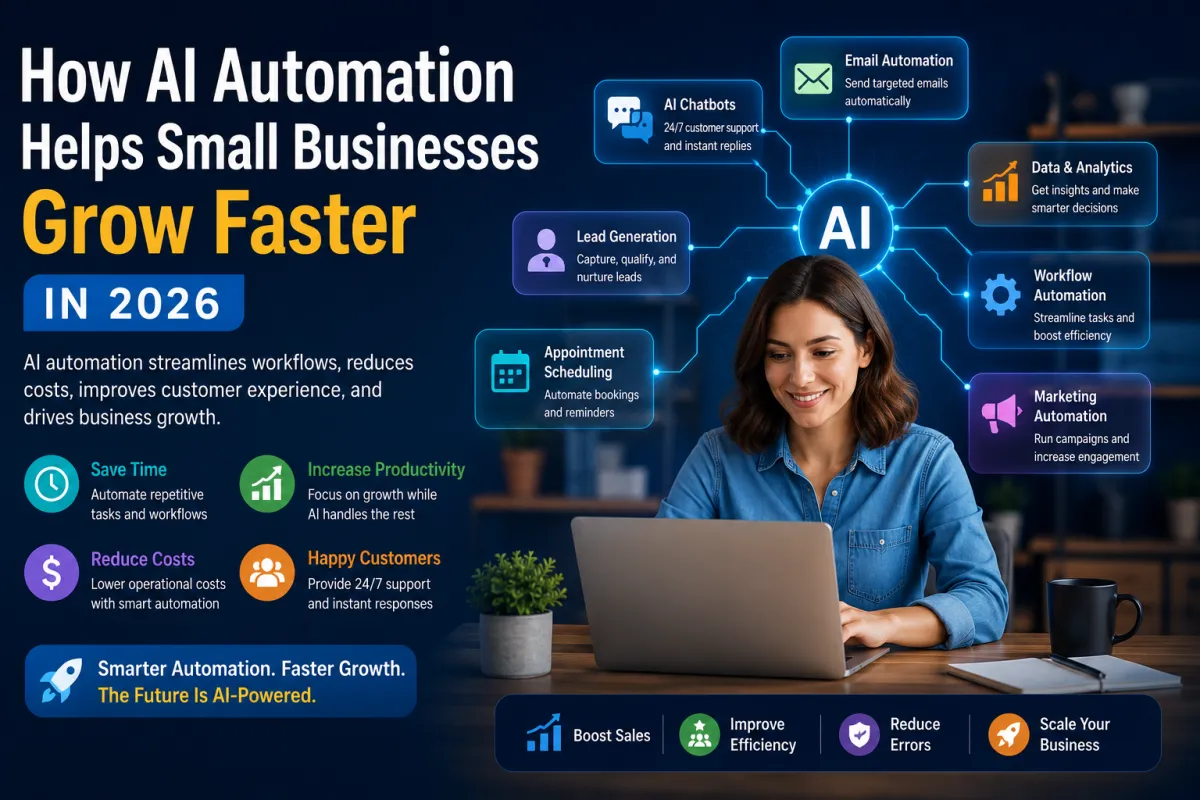
AI automation can handle tasks such as:
Customer support
Lead qualification
Email and SMS marketing
Appointment scheduling
Workflow management
Data analysis
CRM updates
Sales follow-ups
By automating these repetitive tasks, businesses can save time, improve efficiency, and focus more on growth strategies.
Why AI Automation Matters for Small Businesses
Small businesses often face several challenges:
Limited workforce
Time-consuming administrative work
Increasing customer expectations
Rising marketing costs
Need for faster response times
AI automation solves these problems by helping businesses operate more efficiently without hiring large teams.
Instead of spending hours on repetitive tasks, business owners can focus on sales, customer relationships, and business development.
1. AI Improves Customer Support
Customer service is one of the most important parts of any business.
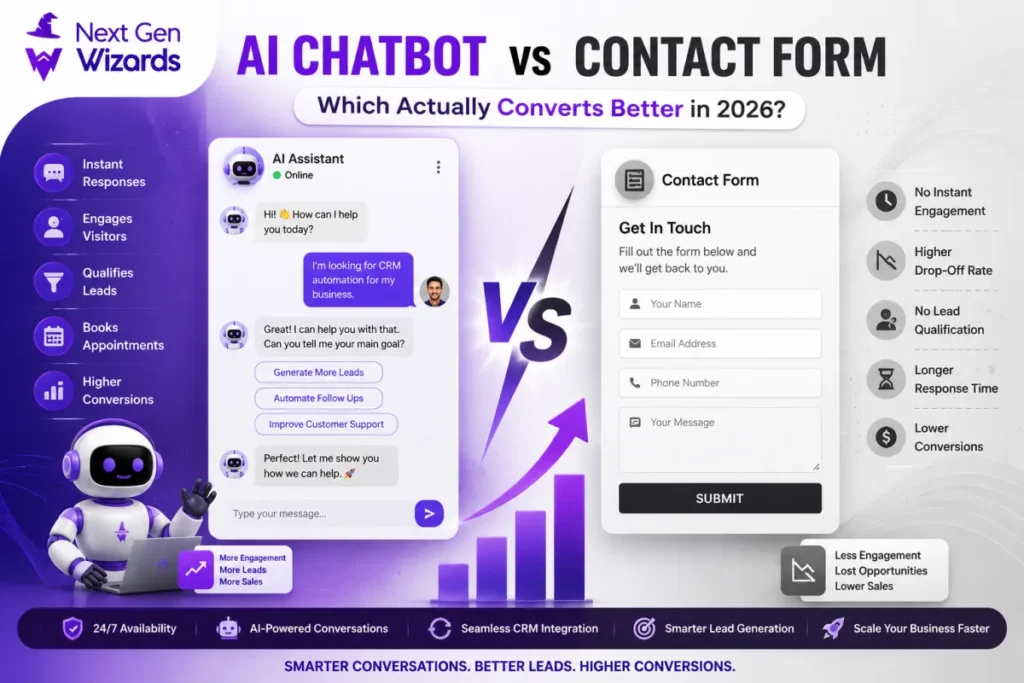
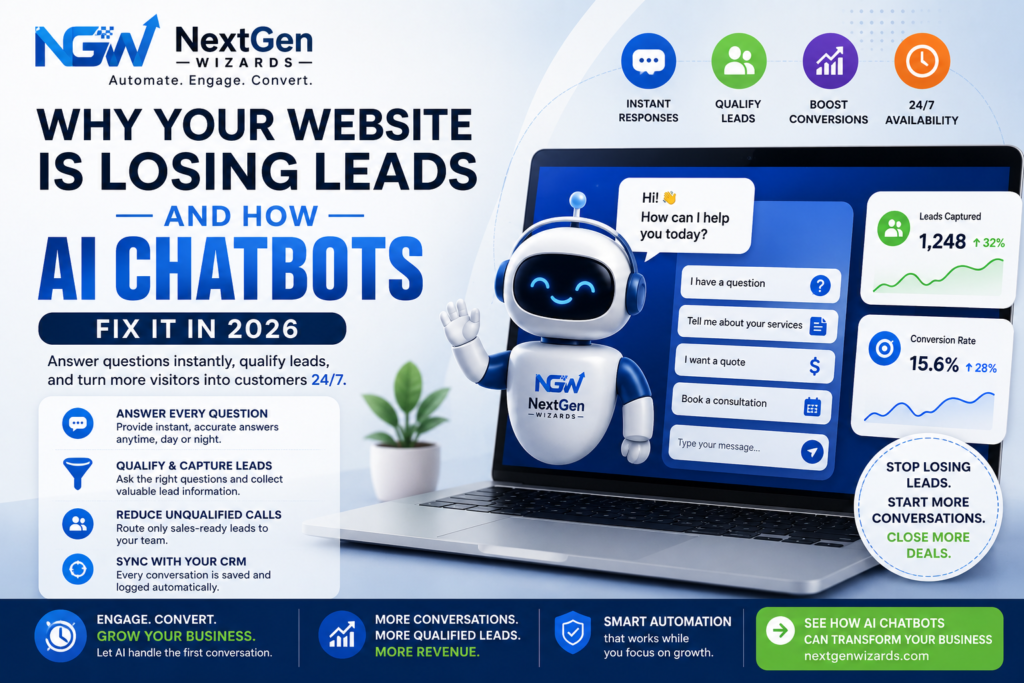
AI-powered chatbots and support systems now allow businesses to provide instant responses 24/7.
AI systems can:
Answer customer questions
Handle booking requests
Provide order updates
Solve common support issues
Route complex inquiries to human agents
This improves customer satisfaction while reducing support workload.
2. AI Automates Lead Generation
Generating and managing leads manually can be time-consuming.
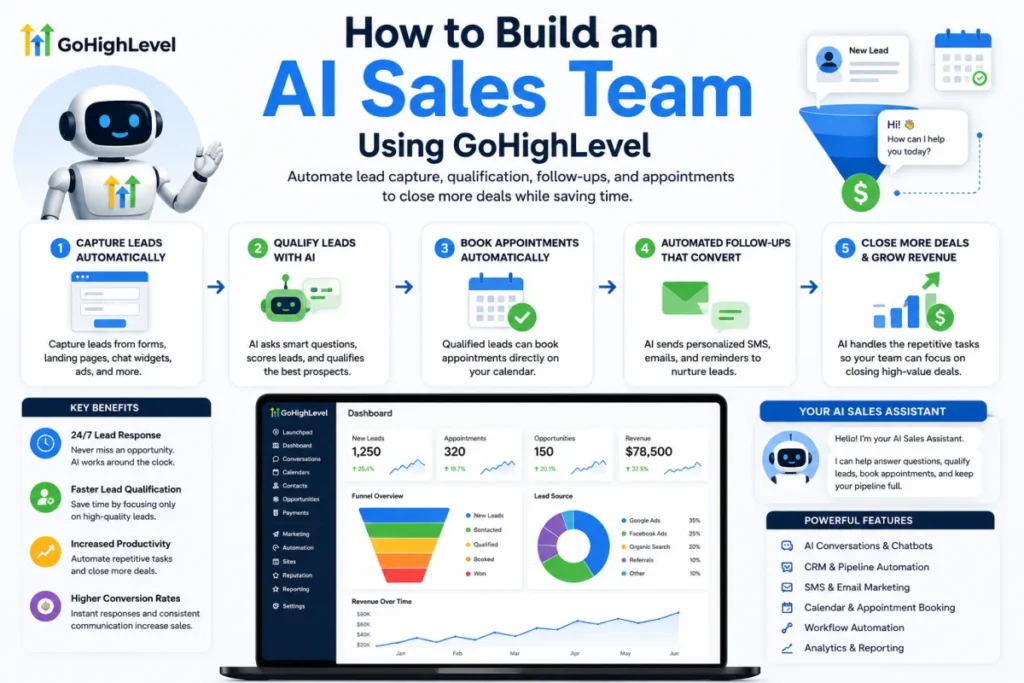
AI tools help businesses:
Capture leads automatically
Score leads based on behavior
Identify high-intent prospects
Send automated follow-up messages
Schedule appointments
This helps businesses improve conversion rates and reduce lost opportunities.
3. AI Enhances Marketing Automation
Marketing automation is one of the biggest advantages of AI technology.
AI systems can:
Create personalized campaigns
Segment audiences automatically
Analyze customer behavior
Recommend products and services
Automate email and SMS marketing
This allows businesses to deliver more targeted and effective marketing campaigns.
4. AI Reduces Operational Costs
Hiring large teams for repetitive tasks can be expensive.
AI automation reduces costs by handling tasks such as:
Data entry
Appointment scheduling
Customer support
Workflow management
Reporting and analytics
Businesses can scale operations while keeping overhead costs under control.
5. AI Improves Productivity
When repetitive work is automated, teams become more productive.
Employees can focus on:
Strategy
Sales
Customer relationships
Business growth
This leads to better overall efficiency and faster scaling.
6. AI Helps Businesses Make Smarter Decisions
AI systems can analyze large amounts of data quickly and accurately.
Businesses can gain insights into:
Marketing performance
Customer behavior
Sales trends
Revenue opportunities
Customer retention risks
These insights help business owners make better decisions based on real data instead of guesswork.
7. AI Enables 24/7 Business Operations
AI systems can work continuously without breaks.
Businesses can automate:
Customer inquiries
Lead responses
Appointment reminders
Order confirmations
Follow-up messages
This ensures businesses remain active even outside normal working hours.
8. AI Improves Customer Retention
Retaining existing customers is more cost-effective than acquiring new ones.
AI helps businesses improve retention by:
Sending personalized offers
Re-engaging inactive customers
Predicting churn risk
Automating loyalty campaigns
This improves long-term customer relationships and increases lifetime value.
Industries Benefiting from AI Automation
Marketing Agencies
Lead nurturing
Campaign automation
Reporting
eCommerce Businesses
Product recommendations
Customer support
Inventory management
SaaS Companies
Customer onboarding
CRM automation
Support ticket management
Healthcare Businesses
Appointment reminders
Patient communication
Workflow automation
Real Estate Businesses
Lead follow-ups
CRM management
Appointment scheduling
Challenges of AI Automation
While AI automation offers many benefits, businesses may face challenges such as:
Initial setup complexity
Learning curve
Data privacy concerns
Tool integration issues
Over-reliance on automation
However, proper planning and training can help businesses overcome these challenges.
Best Practices for AI Automation
Businesses can maximize success by:
Starting with simple workflows
Automating repetitive tasks first
Combining AI with human oversight
Monitoring automation performance
Continuously optimizing workflows
The Future of AI Automation in 2026
The future of AI automation is rapidly evolving.
Future trends include:
AI-powered virtual assistants
Predictive business automation
Voice-based AI systems
Fully automated workflows
Real-time personalization
Businesses that adopt AI automation early will gain a major competitive advantage.